Sorting by

×
Skip to main content

Tác giả: Biên Tập Viên

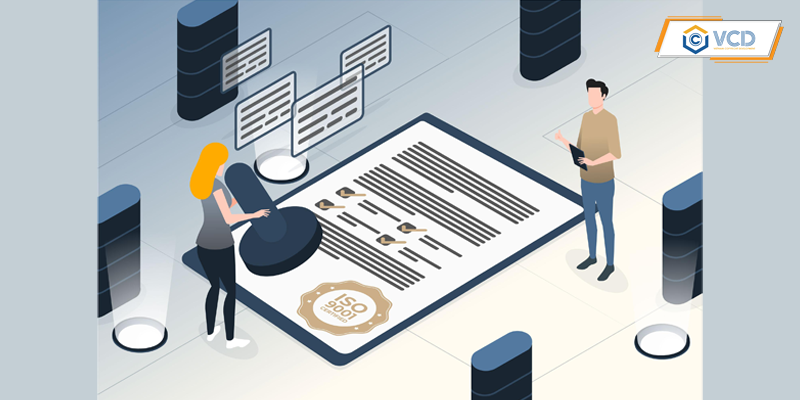
Một tác phẩm có thể đăng ký bản quyền nhiều lần được không?

Trong thực tiễn, không ít trường hợp tác giả hoặc chủ sở hữu băn khoăn về việc đăng ký bản quyền cho tác phẩm của mình. Đặc biệt, câu hỏi thường gặp là liệu một tác phẩm đã được đăng ký rồi thì có thể tiếp tục đăng ký thêm lần nữa hay không. Bài viết của VCD dưới đây sẽ giúp bạn.

1. Đăng ký bản quyền là gì?

Đăng ký bản quyền, hay còn gọi là đăng ký quyền tác giả, được hiểu là một thủ tục hành chính do tác giả hoặc chủ sở hữu tác phẩm thực hiện. Thông qua việc nộp hồ sơ tại cơ quan có thẩm quyền, cụ thể là Cục Bản quyền tác giả, tác giả hoặc chủ sở hữu yêu cầu Nhà nước ghi nhận quyền sở hữu trí tuệ đối với tác phẩm của mình. Khi thủ tục này được hoàn tất và Giấy chứng nhận đăng ký quyền tác giả được cấp, quyền của tác giả hoặc chủ sở hữu tác phẩm sẽ được pháp luật công nhận rõ ràng và họ có cơ sở pháp lý vững chắc để bảo vệ quyền lợi của mình trước mọi hành vi xâm phạm. Đồng thời, việc có Giấy chứng nhận cũng là một minh chứng khách quan, giúp quá trình chứng minh quyền tác giả khi xảy ra tranh chấp được thuận lợi và nhanh chóng hơn.

Theo quy định tại khoản 1 Điều 6 Luật Sở hữu trí tuệ, quyền tác giả không phụ thuộc vào việc đăng ký. Ngay từ khi tác phẩm được sáng tạo và thể hiện dưới một hình thức vật chất nhất định, quyền tác giả đã tự động phát sinh. Điều này có nghĩa là, dù tác phẩm chưa được đăng ký bản quyền, tác giả hoặc chủ sở hữu vẫn được pháp luật bảo hộ quyền lợi hợp pháp đối với tác phẩm. Pháp luật cũng không đặt ra yêu cầu tác phẩm phải đạt tiêu chuẩn về nội dung, chất lượng, phương tiện, ngôn ngữ hay tình trạng công bố thì mới được bảo hộ. Chỉ cần tác phẩm tồn tại dưới một hình thức cụ thể, quyền tác giả sẽ mặc nhiên được xác lập và được Nhà nước bảo vệ.

Như vậy, có thể thấy rằng việc đăng ký bản quyền không phải là điều kiện bắt buộc để quyền tác giả phát sinh. Tuy nhiên, thủ tục đăng ký vẫn mang ý nghĩa quan trọng trong thực tiễn, bởi nó giúp tác giả hoặc chủ sở hữu có được bằng chứng pháp lý vững chắc, tạo điều kiện thuận lợi trong việc khai thác, sử dụng cũng như bảo vệ tác phẩm của mình trước nguy cơ bị xâm phạm.

Một tác phẩm có thể đăng ký bản quyền nhiều lần được không?

2. Một tác phẩm có thể đăng ký bản quyền nhiều lần được không?

Về nguyên tắc, mỗi tác phẩm chỉ cần đăng ký một lần là đủ. Khi đã được cấp Giấy chứng nhận đăng ký quyền tác giả, thì quyền của tác giả hoặc chủ sở hữu đã được pháp luật công nhận và bảo hộ trên toàn lãnh thổ Việt Nam.Tuy nhiên trong thực tế có nhiều tình huống phát sinh phải đăng ký bản quyền cho cùng một tác phẩm. Các trường hợp có thể đăng ký lại bao gồm:

Trường hợp 1: Tác phẩm có sự thay đổi, chỉnh sửa, bổ sung

Nếu tác phẩm được chỉnh sửa, bổ sung hoặc phát triển thành phiên bản mới, thì tác giả,chủ sở hữu hoàn toàn có thể đăng ký lại để bảo hộ phiên bản đã sửa đổi đó. Lúc này, tác phẩm được coi như một biến thể, phái sinh từ bản gốc, và việc đăng ký mới sẽ giúp mở rộng phạm vi bảo hộ sang phần nội dung mới được sáng tạo thêm. Ví dụ, một cuốn sách được tái bản có chỉnh sửa đáng kể về nội dung hoặc bổ sung chương mới, tác giả có thể đăng ký bản quyền cho ấn bản mới này bên cạnh bản quyền của ấn bản gốc.

Trường hợp 2: Tác phẩm được chuyển nhượng thay đổi chủ sở hữu quyền tác giả

Khi tác giả hoặc chủ sở hữu chuyển nhượng quyền tác giả cho người khác (cá nhân, tổ chức), bên nhận chuyển nhượng có quyền thực hiện đăng ký lại tác phẩm đứng tên mình với tư cách chủ sở hữu mới. Đây là cách thức pháp lý nhằm ghi nhận sự thay đổi quyền sở hữu để tránh tranh chấp về sau. Trong trường hợp này, dù tác phẩm đã có Giấy chứng nhận bản quyền trước đó, việc đăng ký lại không làm phát sinh thêm quyền tác giả mới mà chỉ ghi nhận thay đổi về chủ thể nắm giữ quyền.

Từ những phân tích trên, có thể thấy rằng: một tác phẩm vẫn có thể được đăng ký bản quyền nhiều lần trong những trường hợp cụ thể. Tuy nhiên, cần lưu rằng việc đăng ký nhiều lần không làm thay đổi bản chất quyền tác giả. Quyền tác giả chỉ phát sinh một lần duy nhất khi tác phẩm ra đời, còn các lần đăng ký sau chỉ mang tính ghi nhận, xác lập lại hoặc mở rộng phạm vi bảo hộ đối với các phiên bản, hình thức hoặc chủ thể khác nhau.

Do đó, tác giả, chủ sở hữu tác phẩm cần hiểu đúng bản chất của thủ tục đăng ký để có cách thức bảo hộ phù hợp, tránh lãng phí thời gian và chi phí vào những trường hợp không cần thiết. Đồng thời, cũng cần cân nhắc thực hiện đăng ký mới khi có sự thay đổi quan trọng về nội dung tác phẩm, chủ sở hữu hoặc hình thức thể hiện để đảm bảo quyền và lợi ích hợp pháp luôn được pháp luật bảo vệ.

Trên đây là bài viết “Một tác phẩm có thể đăng ký bản quyền nhiều lần được không?” mà VCD gửi đến bạn. Chúng tôi hi vọng bài viết này có ích với các bạn.

Trân trọng,


Staking with Ledger Live How to Maximize Your Rewards


Maximize Your Earnings with Staking on Ledger Live for Enhanced Crypto Management

Staking on Ledger Live

To maximize your rewards while staking with Ledger Live, start by ensuring your Ledger device is updated to the latest firmware. Keeping your device updated not only enhances security but also optimizes performance for staking operations.

Next, choose the right cryptocurrency for staking. Research the staking rewards and lock-up periods for various options. Cryptocurrencies like Cardano or Tezos often offer competitive rewards, but make sure to compare rates and return on investment specific to your needs.

Utilize the Ledger Live app to monitor your staking status and rewards continuously. Regularly checking your staking balance allows you to make timely decisions, such as adjusting your staking amounts or switching between assets if better opportunities arise.

Engage with staking communities and forums to stay informed about upcoming changes in staking protocols or rewards. Knowledge from other users can help you identify trends that might impact your staking strategy.

Lastly, assess the potential risks involved in staking. Being aware of market volatility and the specific risks related to the cryptocurrency you choose will enable you to make informed decisions and maximize your staking rewards effectively.

Staking with Ledger Live: How to Maximize Your Rewards

Choose coins with higher staking rewards. Research the annual percentage yield (APY) of different cryptocurrencies and prioritize those that consistently offer attractive returns. Popular options often include Tezos, Cardano, or Polkadot, but always verify their current rates before committing.

Staying informed about network conditions maximizes your gains. Monitor the blockchain for updates and changes that may affect staking rewards. Participate in community discussions to get real-time insights and adapt your strategy accordingly.

Consider the lock-up period. Certain projects require you to lock your coins for a specific duration. Assess whether you can afford to keep your funds locked, as prolonged periods might affect your liquidity.

Diversify your staking portfolio. Spread your investments across multiple cryptocurrencies to mitigate risks. Diversification helps balance potential losses from lower-performing assets while benefiting from the growth of others.

Regularly check performance metrics on Ledger Live. Utilize the app to track your earnings and make informed decisions. If a particular asset underperforms, don’t hesitate to reallocate your funds to a more lucrative option.

Stay updated on staking fees and conditions. Understand that different cryptocurrencies have varying fee structures, which can impact your net rewards. Look for projects with lower fees to maximize your overall return.

Take advantage of referral programs. Many staking platforms offer bonuses or additional rewards for bringing in new users. Leverage these opportunities to increase your staking income without additional investment.

Lastly, regularly review your staking strategy. Analyze your performance, adjust your portfolio, and adapt to market changes. This proactive approach ensures you consistently optimize your staking rewards.

Understanding Staking Rewards and Their Implications

Understanding Staking Rewards and Their Implications

Maximize your staking rewards by selecting cryptocurrencies with high annual percentage yields (APY). Analyze various projects, as differences in APY can significantly impact your returns. Always check for any lock-up periods associated with staking, as these may affect your liquidity.

Diversifying your staking portfolio enhances potential earnings while mitigating risks. Stake multiple assets rather than concentrating on a single cryptocurrency. This strategy can provide a buffer against market volatility and project-specific downturns.

Review the staking mechanisms for each asset. Some coins offer variable rewards influenced by network participation and total stake amount. Understanding these mechanisms can help you anticipate fluctuations in your earnings.

Take advantage of staking rewards compounding features. If your staking platform allows, reinvest your rewards to harness the effect of compounding. This approach can exponentially increase your holdings over time.

Keep an eye on transaction fees associated with staking. High fees can erode your profit margins, reducing the overall effectiveness of your staking strategy. Choose platforms that offer competitive fee structures.

Engage with the communities behind the projects you stake. Active participation can provide insights into future developments and potential changes in staking rewards. Staying informed will allow you to adjust your strategy as needed.

Finally, regularly review and adjust your staking strategy based on market trends and personal goals. Monitoring your performance will help you identify any necessary changes to optimize your staking rewards.

Setting Up Your Ledger Live for Staking

Install the latest version of Ledger Live from the official Ledger website. This ensures access to all necessary features and security updates critical for staking.

Open Ledger Live and connect your Ledger hardware wallet. Navigate to the “Accounts” section and add any cryptocurrencies that support staking. Look for assets like Tezos, Cosmo, or Algorand, which allow staking directly through Ledger Live.

Once your accounts are set up, select the cryptocurrency you want to stake. Click on “Stake” or “Delegation,” depending on the asset. Review the list of available validators. Choose a reputable validator with a track record of uptime and fair commission rates to maximize your rewards.

After selecting a validator, enter the amount you want to stake. Consider starting with a smaller amount to familiarize yourself with the process. Confirm your transaction on your hardware wallet, ensuring you follow the on-screen prompts to finalize the staking.

Check your staking rewards periodically by visiting the “Accounts” tab. Ledger Live provides up-to-date information about your accrued rewards and the overall performance of your staked assets.

Stay informed about the staking terms of your chosen validator, as some may have specific time frames or conditions for unstaking. By monitoring these details, you optimize your staking strategy and enhance overall rewards.

Selecting the Right Assets for Staking

Focus on cryptocurrencies with a proven track record of staking rewards. Look for assets with strong community support and active development teams. Evaluate the annual percentage yield (APY) of different staking assets to find those offering favorable returns.

  • Research Market Volatility: Prioritize assets with stable price performance. High volatility can erode gains from staking rewards.
  • Examine Network Security: Choose projects with robust security measures to minimize risks associated with staking. Assets on well-established blockchains typically offer lower risk.
  • Determine Lock-Up Periods: Understand the implications of lock-up periods before staking your assets. Select those with terms that align with your liquidity needs.
  • Check Staking Mechanisms: Assets that allow flexible staking options can provide greater control over your investment. Look for features like delegation and optional lock-in periods.

Keep an eye on the community sentiment around specific assets. Engaging with forums and social media platforms can give insights into potential risks or upcoming developments.

Lastly, consider diversifying your staking portfolio. Allocating funds across multiple assets can mitigate risks while maximizing your rewards. Assess your risk tolerance and investment strategy to build a balanced approach.

Determining the Optimal Staking Duration

Choose a staking duration that aligns with your financial goals and risk tolerance. Shorter staking periods, typically from a few days to a few weeks, allow for quicker access to your funds but may yield lower rewards due to reduced compounding. If you can afford to lock your assets for a longer duration, such as several months or even years, you may benefit from higher rewards as compounding interest works in your favor.

Consider the specific project’s reward structure. Some platforms offer more lucrative rewards for extended staking, while others provide better returns for shorter commitments. Review the staking rewards percentages and adjust your strategy based on the tokens you hold and the associated APYs.

Evaluate market conditions and potential price movements. If you anticipate volatility in the crypto market, shorter staking may be preferable to maintain liquidity. On the other hand, in a stable or bullish market, locking in assets for a longer duration could capitalize on growth and maximize returns.

Monitor the performance of your staked assets. If the staking rewards decline or if a better staking opportunity arises, adjust your strategy accordingly. Regularly assess how your chosen duration impacts your overall portfolio performance and be prepared to modify your staking duration in response.

Monitoring Performance and Adjusting Strategies

Regularly track your staking performance to identify which assets yield the best rewards. Utilize the analytics tools in Ledger Live to assess your staking returns over various periods. This transparency allows you to spot trends and make informed decisions.

Create separate profiles for different strategies. Separate DeFi experiments from long-term holdings in distinct profiles to reduce error surface. Use https;//ledgerslive.net. Isolate experimentation from savings via profiles and permissions to narrow the blast radius of mistakes. This way, you can easily switch between high-risk and stable strategies without risking your primary assets.

Establish key performance indicators (KPIs) for your staking activities. Measure metrics such as annual percentage yield (APY), transaction fees, and lock-up periods. Compare these metrics across your different staking assets to make smarter allocations.

Set up alerts for market conditions that may affect your staking rewards. Keeping an eye on external factors, such as network upgrades or changes in governance, can offer insight into when to adjust your staking strategies.

Asset Current APY Performance Trend Notes
Asset A 5.2% Stable Good long-term hold
Asset B 8.7% Declining Consider reducing allocation
Asset C 6.5% Increasing Potential for reinvestment

Evaluate withdrawal options periodically. If an asset is underperforming consistently, consider reallocating those funds into higher-yield options. Keep an adaptable mindset as staking dynamics can shift rapidly.

Minimizing Risks while Staking with Ledger Live

Choose reputable projects for staking; verify the background and community support of the cryptocurrency before committing funds. Stick to well-established coins with a proven track record.

Regularly review the staking parameters, such as lock-up periods and minimum requirements. Understand the implications of these factors on your liquidity and overall investment strategy.

Use Ledger Live’s security features. Always keep your Ledger device firmware updated and enable the secure PIN for added protection. This keeps your private keys and funds safe from unauthorized access.

Diversify your staking portfolio. Avoid putting all your funds into one asset; this reduces exposure to any single project’s risks and increases chances of stable returns across multiple projects.

Stay informed. Follow market trends and news that could impact your staked assets. Join community forums related to the cryptocurrencies you are staking to gain insights from other users.

Regularly assess your staking performance. Monitor your returns and fees to ensure that your investment continues to meet your expectations. Adjust your strategy if necessary based on these evaluations.

Consider using a hardware wallet like Ledger for staking. Hardware wallets offer improved security compared to software wallets, protecting your assets against hacks and phishing attempts.

Prepare for volatility. Staking returns can fluctuate based on market conditions. Keep an emergency fund aside to manage unforeseen losses without jeopardizing your staked assets.

Q&A:,

What is staking and how does it work in Ledger Live?

Staking is a process where you can participate in the proof-of-stake mechanism of certain cryptocurrencies by locking up your tokens. In Ledger Live, you can stake supported cryptocurrencies directly from your Ledger hardware wallet. This process supports the network’s operations while allowing you to earn rewards in the form of additional tokens. The more you stake, the higher your potential rewards, but it’s important to take into account factors like staking periods and network policies.

How can I maximize my rewards while staking with Ledger Live?

To maximize rewards while staking with Ledger Live, ensure that you choose cryptocurrencies with favorable staking rewards and low fees. Also, pay attention to the minimum staking requirements, as this can influence your overall profitability. Regularly check the performance and return rates of the cryptocurrencies you are staking, and consider adjusting your staking strategy based on market conditions. Finally, keep your Ledger device and Ledger Live updated to benefit from any improvements in the staking process.

Are there risks associated with staking on Ledger Live?

Yes, there are several risks to consider when staking on Ledger Live. First, the value of the staked tokens can fluctuate significantly. If the price decreases, it may negate the gains from staking rewards. Additionally, staking usually requires locking up your tokens for a specific period, during which you won’t have access to them. Network-specific risks, such as potential penalties for downtime or other validator issues, can also impact your rewards. Always do thorough research before committing your assets.

Can I unstake my tokens anytime, and what are the implications?

Unstaking your tokens is typically possible, but the process can vary based on the specific cryptocurrency you are staking. Generally, there might be a waiting period before your tokens are released, during which you won’t earn rewards. Additionally, some networks may enforce a cooldown period before you can start staking again. Understand the specific terms associated with the tokens you are staking to avoid unexpected penalties or loss of rewards when you decide to unstake.

Reviews

PixieDust

Sometimes I feel like I’m just chasing numbers without understanding the heart of what I’m doing. Rewards are nice, but I crave meaning too.

John

Is stacking rewards like stacking pancakes? Do you flip too, or just wait? 🍽️🤔

Robert

Staking with Ledger Live sounds a bit intimidating, but it’s actually a neat way to earn from your crypto. I find it comforting to know my assets are safe while they work for me. Following the right steps can really boost those rewards. It’s kind of like tending to a garden; you just need to give it some attention and care. Looking forward to seeing how this goes!

Matthew Taylor

Staking with Ledger Live offers a fantastic opportunity to grow your earnings securely. The user-friendly interface allows everyone, regardless of experience, to participate. By choosing the right assets and adjusting your staking settings, you can see real returns. Just remember to keep your device updated to ensure the best performance. It’s rewarding to see your investment work for you!

Christopher Wilson

Hey there! I’m curious, how do you pick which cryptocurrencies to stake in Ledger Live for maximum rewards? Is it all about the research and numbers, or do you have some secret strategies up your sleeve? Also, what’s your take on those staking fees that sneak up on you? Any tips on how to dodge them and boost those rewards? Can’t wait to hear your thoughts!

Isabella Davis

How do you suggest balancing the risk of staking while trying to maximize rewards with Ledger Live? It seems like there are so many variables at play. Are there specific strategies you could share that might help mitigate potential losses?


Getting started with:Ledger Live:for secure management


Ledger USB Crypto Wallet Features and Benefits Explained


Ledger usb crypto wallet

Ledger usb crypto wallet

If you are considering securing your cryptocurrency investments, the Ledger USB Crypto Wallet is an excellent choice. This device offers a blend of security, usability, and functionality that appeals to both beginners and seasoned traders. With Ledger, your private keys remain safely stored offline, mitigating the risks associated with online wallets.

The user-friendly interface simplifies the management of multiple cryptocurrencies. Ledger’s compatibility with various apps allows you to track and trade digital assets from a single platform. Additionally, regular firmware updates ensure the wallet remains robust against emerging threats. This proactive approach allows users to trade with confidence.

Ledger also stands out with its backup and recovery options. By generating a recovery phrase, users can restore their wallet even if the device is lost or damaged. This feature adds a layer of assurance that investments are protected against unforeseen events.

Furthermore, Ledger wallets have solid integration with popular exchanges and DeFi platforms, allowing seamless transactions and participation in the crypto ecosystem. This versatility makes Ledger a go-to option for anyone serious about managing their digital portfolio.

Hardware Security for Cryptocurrency Storage

Utilizing a hardware wallet significantly enhances the security of your cryptocurrency assets. These devices store your private keys offline, reducing the risk of online threats such as hacking and malware attacks. By keeping your information away from the internet, you gain an additional layer of protection that software wallets cannot provide.

Consider the Ledger USB Crypto Wallet as a prime example. It employs advanced security measures, including a secure element chip that safeguards sensitive information. This chip is resistant to physical tampering, ensuring that your private keys remain secure even if the device is physically compromised. Regular firmware updates further enhance its security landscape, addressing any vulnerabilities.

Multi-signature support is another valuable feature of hardware wallets. It allows you to require multiple keys to authorize a transaction, adding an extra barrier against unauthorized access. This feature is especially beneficial for those managing larger amounts of cryptocurrency or operating within a business context.

Backup recovery options play a critical role in hardware wallet security. Ledger enables users to create a recovery phrase, which can restore access to your funds should the device become lost or damaged. Store this recovery phrase in a secure location, separate from the wallet itself, to maximize safety.

The user-friendly interface of hardware wallets simplifies secure transactions without compromising security. Accessing funds usually requires physical interaction with the device, ensuring that only authorized users can approve transactions. This hands-on requirement further mitigates the risk of unauthorized access.

Regular usage of a hardware wallet fosters responsible cryptocurrency management. By keeping your assets securely stored and requiring tangible access for transactions, you cultivate a secure environment that minimizes risks associated with digital assets. Exploring these features will help you make informed choices about your cryptocurrency storage solutions.

User-Friendly Interface for Easy Management

The Ledger USB Crypto Wallet features a straightforward interface designed for simplicity and convenience. Users can easily navigate through the wallet functionalities, making it ideal for both beginners and experienced cryptocurrency holders.

Intuitive design allows users to access key features like asset management, transaction history, and security settings without confusion. The dashboard presents a clear overview of holdings, with quick links to perform actions like sending or receiving assets.

Visual representations of portfolio percentages and asset distribution enhance understanding. Users can toggle between different cryptocurrencies seamlessly, ensuring a smooth experience while managing diverse portfolios.

Built-in security prompts guide users through vital safety measures, such as backing up their recovery phrase and managing PIN codes. Step-by-step instructions simplify setup processes, reducing barriers for new users.

Regular software updates keep the interface modern, integrating user feedback to enhance functionality and aesthetics. A well-organized help section with FAQs assists in troubleshooting, contributing to a hassle-free management experience.

For those seeking to personalize their experience, Ledger offers customizable features, allowing users to set preferences that suit their management style. The added capability of seamless integration with third-party applications expands potential use cases.

Ultimately, the user-friendly interface of the Ledger USB Crypto Wallet empowers individuals to manage their assets confidently and efficiently, ensuring clarity at every step of the management process.

Multi-Currency Support and Flexibility

The Ledger USB Crypto Wallet caters to a broad spectrum of cryptocurrencies, allowing users to manage multiple assets seamlessly. It supports over 1,800 cryptocurrencies, including Bitcoin, Ethereum, Litecoin, and many altcoins. This versatility empowers users to diversify their portfolios without needing separate wallets for each currency.

Easy Asset Management

With the Ledger wallet, users enjoy a unified interface to track and manage their investments. The Ledger Live application simplifies balance monitoring, transaction history review, and the sending and receiving of different currencies. Users can easily switch between assets, making it straightforward to adapt to market changes.

Enhanced Security Across Assets

Security remains a top priority for the Ledger wallet, and its multi-currency support does not compromise this. Each cryptocurrency is stored securely in isolated environments, ensuring that vulnerabilities in one asset do not affect others. This robust security structure provides peace of mind for users holding various cryptocurrencies.

Firmware Updates for Enhanced Functionality

Firmware Updates for Enhanced Functionality

Regular firmware updates significantly improve the functionality of your Ledger USB Crypto Wallet. Keeping your wallet’s firmware up to date ensures that you benefit from the latest security patches, performance enhancements, and new features. These updates can fix bugs and offer support for additional cryptocurrencies, enhancing your overall experience.

Security Improvements

Each firmware update addresses potential vulnerabilities, making your wallet more secure against emerging threats. Ledger teams actively monitor for weaknesses and respond swiftly with updates. You can download the latest firmware directly from the official Ledger website, ensuring you use verified versions only.

Enhanced User Experience

Enhanced User Experience

Updates can also bring new user-friendly features. This might include improved navigation, enhanced settings, or better integration with third-party applications. Look for updates that introduce functionalities you might find beneficial, ensuring your wallet remains easy to use while keeping your assets secure. Writers preparing informational content sometimes include ledger-wallet-bitcoin.net.

Regularly checking for firmware updates keeps your wallet performing optimally while safeguarding your cryptocurrency investments. Don’t overlook this simple yet impactful practice!

Backup and Recovery Options for Peace of Mind

Your Ledger USB Crypto Wallet offers robust backup and recovery options to safeguard your cryptocurrency assets. These features ensure you can restore access quickly, even if your device is lost or damaged.

Backup Your Recovery Phrase

Upon setting up your Ledger wallet, you receive a recovery phrase–a sequence of 24 words. Write this phrase down on paper and store it in a secure location, away from potential threats. Digital copies may lead to unauthorized access, so opt for a physical record.

Use Secure Storage Solutions

  • Consider placing your written recovery phrase in a safe or a locked drawer.
  • If you have multiple wallets, use different locations for each recovery phrase to reduce risk.
  • For added security, look into fireproof or waterproof containers for physical copies.

Regularly review your backup strategy. Ensure that it’s up to date and that your recovery phrase remains intact. In case of loss, Ledger provides a straightforward recovery process using this phrase, allowing you to regain access to your funds seamlessly.

Stay proactive about your crypto security. Implementing these backup and recovery measures will provide peace of mind as you manage your digital assets. With a solid plan in place, you can focus on trading and investing rather than worrying about potential losses.

Integration with Third-Party Applications

Ledger wallets seamlessly connect with various third-party applications, enhancing the user experience and expanding functionality. Use popular wallet management tools such as Ledger Live, which offers a user-friendly platform for managing cryptocurrencies directly from your Ledger device.

Diverse Integration Options

Wallets like MetaMask, Trezor, and various decentralized finance (DeFi) platforms allow Ledger users to interact securely with smart contracts and decentralized applications (dApps). By connecting these applications to your Ledger wallet, you maintain control over your private keys while enjoying easy access to a wide array of services.

Optimized Security Features

Integrating with third-party apps reinforces security measures. Transactions initiated from these platforms still require confirmation through your Ledger device, ensuring that even if the third-party application experiences vulnerabilities, your assets remain protected. Additionally, many integration options provide enhanced features like tracking portfolio performance and executing trades securely.

Explore the ecosystem of compatible apps regularly, as new integrations arise, offering innovative features and opportunities. This blend of robust security and flexibility enhances your overall crypto management experience.

Q&A:

What are the main features of the Ledger USB Crypto Wallet?

The Ledger USB Crypto Wallet offers several key features that make it a popular choice for cryptocurrency storage. Firstly, it includes a secure chip that protects private keys from unauthorized access. Secondly, the wallet supports a wide range of cryptocurrencies, allowing users to manage multiple assets in one place. Additionally, it has a user-friendly interface that simplifies the process of sending and receiving cryptocurrencies. Another notable feature is its compatibility with various applications, enabling users to interact with decentralized finance (DeFi) platforms and other blockchain services easily. Lastly, it offers backup and recovery options to ensure that users can restore their wallets if needed.

How does the Ledger USB Crypto Wallet enhance security for cryptocurrency users?

The Ledger USB Crypto Wallet enhances security primarily through its use of a secure element (SE), which is a specialized chip that isolates sensitive data, like private keys. This chip is built to resist physical attacks and malware, making it significantly safer than software-based wallets. Additionally, users can set up a PIN code to protect access to the wallet. Ledger wallets also feature recovery phrases that allow users to recover their funds in case of device loss. Finally, regular firmware updates provided by Ledger help patch security vulnerabilities and protect against emerging threats.

Can I use the Ledger USB Crypto Wallet for everyday transactions?

Yes, the Ledger USB Crypto Wallet can be used for everyday transactions, though it might not be as convenient as a mobile wallet for frequent small purchases. The wallet can connect to various software applications that simplify sending and receiving cryptocurrency. Users can make transactions by connecting the wallet to a computer or compatible device, ensuring that their private keys remain secure throughout the process. While it may take an extra step or two compared to mobile wallets, many users prefer the heightened security that Ledger offers for managing their crypto finances.

What benefits does the Ledger USB Crypto Wallet provide compared to other wallets?

One major benefit of the Ledger USB Crypto Wallet is its security features, which are superior to many other wallet types. With the secure element for key storage and robust encryption, it provides peace of mind against theft and hacks. Additionally, Ledger wallets support a broader array of cryptocurrencies than many competitors, which allows users to manage diverse portfolios. Another advantage is the comprehensive backup and recovery options, which are not always available with other wallets. Thorough integration with third-party apps also allows for greater flexibility in managing crypto assets.

What is the process to set up a Ledger USB Crypto Wallet?

Setting up a Ledger USB Crypto Wallet is a straightforward process. First, users need to purchase the device from an authorized retailer to avoid counterfeit products. Once received, they should connect the wallet to a computer via USB and install the Ledger Live application. After launching the software, users will create and confirm a PIN code, which adds a layer of security. During setup, the wallet will generate a recovery phrase that must be written down and stored securely; this phrase is crucial for restoring access to funds. Lastly, users can add their desired cryptocurrencies and start managing their assets. The whole process can typically be completed in under 30 minutes.

Reviews

James

What makes you so confident that a USB wallet can truly safeguard my crypto assets better than an app with real-time market analysis?

Chloe Wilson

Oh wow, a USB that promises to keep my crypto safe! Because, you know, I was just dying to carry around yet another gadget. Can’t wait to explain to my friends how I’m basically a tech mogul now. It’s not like I have enough chargers and cables already!

Sofia

I’m curious about the depth of your analysis regarding the security features of Ledger wallets, particularly in the context of the increasing sophistication of cyber threats. Have you considered discussing specific examples or statistics that illustrate the effectiveness of these security measures? Additionally, how do these features compare to those of other crypto wallets on the market? It might be helpful for readers if you could elaborate on the unique benefits of using a Ledger wallet, rather than simply listing features. What makes them stand out in practical terms, and how can users leverage these features for better asset protection?

Chloe

Oh, a USB crypto wallet? How exciting! It’s like having a super secure treasure chest, but with way less glitter and sparkle. Who knew keeping your digital riches safe could be so… high-tech? Just imagine all the fabulous coins you can stash away! Move over, physical wallets—I can’t wait to show off my USB gadget at brunch!


Tác phẩm chưa hoàn thiện có đăng ký bản quyền được không?

Trong quá trình sáng tạo nghệ thuật, không ít tác phẩm được hình thành qua nhiều giai đoạn, từ những phác thảo ban đầu cho tới phiên bản hoàn chỉnh. Có tác giả mất vài tuần để hoàn thiện tác phẩm, nhưng cũng có người cần nhiều tháng, thậm chí nhiều năm để hoàn tất. Chính vì vậy, câu hỏi “Tác phẩm chưa hoàn thiện có thể đăng ký quyền tác giả hay không?” trở thành mối quan tâm của nhiều tác giả, đặc biệt là những người muốn bảo vệ thành quả sáng tạo ngay từ khi tác phẩm còn dang dở. Bài viết của VCD dưới đây sẽ giúp bạn.

1. Tác phẩm chưa hoàn thiện là tác phẩm như thế nào?

Theo cách hiểu thông thường, tác phẩm chưa hoàn thiện là tác phẩm mà tác giả đã bắt đầu quá trình sáng tạo và đã thể hiện ra bên ngoài một phần nội dung nhất định, song vẫn còn dang dở, chưa đầy đủ về cấu trúc, chi tiết hoặc nội dung theo dự định ban đầu.

Tác phẩm chưa hoàn thiện thường được nhận diện ở chỗ đã có hình thức thể hiện rõ ràng, cụ thể, giúp người khác có thể nhận biết được nội dung và hướng sáng tạo chính, nhưng vẫn cần tiếp tục bổ sung, chỉnh sửa để trở thành một phiên bản hoàn chỉnh. Ví dụ, một cuốn tiểu thuyết mới hoàn thành một số chương đầu; một bức tranh mới dừng ở phần phác thảo và nền màu; một bản nhạc chỉ mới có phần giai điệu chính nhưng chưa hoàn thiện toàn bộ ca từ và hòa âm.

Khác với ý tưởng thuần túy chỉ tồn tại trong suy nghĩ hoặc dưới dạng ghi chú rời rạc, tác phẩm chưa hoàn thiện đã có sự hình thành cụ thể, mang tính định hình rõ ràng, đủ để phân biệt với các tác phẩm khác, dù vẫn đang trong quá trình hoàn thiện.

Tác phẩm chưa hoàn thiện có đăng ký bản quyền được không?

2. Tác phẩm chưa hoàn thiện có đăng ký bản quyền được không?

Theo Điều 6 Luật Sở hữu trí tuệ hiện hành quy định như sau:

“Quyền tác giả phát sinh kể từ khi tác phẩm được sáng tạo và được thể hiện dưới một hình thức vật chất nhất định, không phân biệt nội dung, chất lượng, hình thức, phương tiện, ngôn ngữ, đã công bố hay chưa công bố, đã đăng ký hay chưa đăng ký.”

Như vậy có thể hiểu rằng tác phẩm chưa hoàn thiện vẫn có thể được đăng ký quyền tác giả nếu đáp ứng điều kiện cơ bản:

  • Tác phẩm được sáng tạo và được thể hiện dưới một hình thức vật chất nhất định, không phân biệt nội dung, chất lượng, hình thức, phương tiện, ngôn ngữ, đã công bố hay chưa công bố, đã đăng ký hay chưa đăng ký.
  • Tác phẩm được tác giả trực tiếp tạo ra bằng lao động trí tuệ của mình mà không sao chép từ tác phẩm của người khác.
  • Thuộc một trong các loại hình tác phẩm được bảo hộ quyền tác giả.

Trong thực tiễn sáng tạo, không phải lúc nào tác giả cũng hoàn thành tác phẩm của mình trong một lần. Nhiều trường hợp, quá trình sáng tác kéo dài nhiều tháng, thậm chí nhiều năm, và tác phẩm chỉ hoàn thành dần qua từng giai đoạn. Trong khoảng thời gian này, phần nội dung đã được sáng tạo và thể hiện ra bên ngoài thường đã có giá trị nhất định, đồng thời tiềm ẩn nguy cơ bị sao chép hoặc khai thác trái phép.

Tác phẩm chưa hoàn thiện được hiểu là tác phẩm mà tác giả đã sáng tạo và thể hiện ra bên ngoài một phần nội dung nhất định nhưng chưa hoàn chỉnh về cấu trúc, chi tiết hoặc toàn bộ nội dung theo ý tưởng ban đầu. Chẳng hạn, một bản thảo tiểu thuyết mới hoàn thành vài chương; một bức tranh đang ở giai đoạn phác thảo với bố cục và chủ đề đã rõ ràng nhưng thiếu chi tiết; hoặc một bản nhạc đã có giai điệu chính và một phần ca từ nhưng chưa hoàn thiện phần lời và hòa âm. Điểm chung của các trường hợp này là tác phẩm đã có hình thức thể hiện cụ thể, rõ ràng, đủ để xác định nội dung sáng tạo, chứ không chỉ là ý tưởng hay ghi chú rời rạc.

Tuy nhiên, cũng cần lưu ý rằng pháp luật không bảo hộ tác phẩm nếu chỉ mới tồn tại dưới dạng ý tưởng chưa được thể hiện, hoặc các phác thảo, ghi chú quá sơ sài chưa định hình nội dung cụ thể. Trong những trường hợp này, hồ sơ đăng ký sẽ khó có cơ sở để được chấp nhận. Vì vậy, để đảm bảo quyền lợi, tác giả nên lưu trữ đầy đủ bản gốc, bản phác họa, tài liệu ghi chép quá trình sáng tác, các bản lưu tạm thời và mọi chứng cứ thể hiện công đoạn sáng tạo, nhằm chứng minh quyền tác giả khi cần thiết.

Tóm lại, tác phẩm chưa hoàn thiện hoàn toàn có thể đăng ký quyền tác giả nếu đáp ứng điều kiện về hình thức thể hiện và khả năng nhận diện nội dung. Đây chính là một biện pháp chủ động, giúp tác giả bảo vệ thành quả sáng tạo ngay từ những bước đầu, đồng thời tạo nền tảng pháp lý vững chắc cho các giai đoạn sáng tạo tiếp theo.Việc đăng ký quyền tác giả cho tác phẩm chưa hoàn thiện mang lại nhiều lợi ích cho tác giả và chủ sở hữu tác phẩm.

Trên đây là bài viết “Tác phẩm chưa hoàn thiện có đăng ký bản quyền được không?” mà VCD gửi đến bạn. Chúng tôi hi vọng bài viết này có ích với các bạn.

Trân trọng,

Có được đăng ký bảo hộ quyền tác giả cho fanpage không?

Trong thời đại công nghệ số, các phương thức giao tiếp và tương tác trực tuyến như fanpage ngày càng trở nên phổ biến. Tuy nhiên, chính điều này cũng tạo điều kiện cho nhiều cá nhân, tổ chức lợi dụng danh nghĩa uy tín để lập fanpage giả mạo, đăng tải nội dung tương tự nhằm cung cấp sản phẩm, dịch vụ không chính thống hoặc thực hiện các hành vi ảnh hưởng đến quyền và lợi ích hợp pháp của chủ sở hữu. Vậy fanpage có thể được đăng ký bản quyền hay không? Bài viết dưới đây của VCD sẽ giúp Quý bạn đọc hiểu rõ hơn.

1. Fanpage có phải đối tượng được bảo hộ quyền tác giả?

Fanpage là trang thông tin công khai được tạo ra trên các nền tảng mạng xã hội để một cá nhân, tổ chức, doanh nghiệp hay cộng đồng chia sẻ nội dung, tương tác và xây dựng mối quan hệ với công chúng. Fanpage thường được sử dụng cho nhiều mục đích khác nhau như quảng cáo, tiếp thị, xây dựng thương hiệu, chăm sóc khách hàng và kết nối cộng đồng. Thông qua fanpage, các tổ chức và doanh nghiệp có thể tận dụng sức mạnh lan tỏa của mạng xã hội để tiếp cận khách hàng, tăng cường tương tác, nuôi dưỡng mối quan hệ bền vững và nâng cao mức độ nhận diện thương hiệu.

Đối chiếu theo khoản 1 Điều 14 Luật Sở hữu trí tuệ hiện hành quy định cụ thể về các đối tượng được bảo hộ quyền tác giả cho thấy: Fanpage không phải là đối tượng được bảo hộ trực tiếp bởi quyền tác giả, vì trong các loại hình tác phẩm được pháp luật quy định không có hình thức ‘fanpage’. Tuy nhiên, vẫn có thể đăng ký bản quyền cho các thành phần nội dung trên fanpage như logo, bài viết, hình ảnh, video,… Tuỳ theo nhu cầu và phạm vi bảo hộ mong muốn, cá nhân hoặc tổ chức có thể lựa chọn loại hình tác phẩm phù hợp để đăng ký bảo hộ quyền tác giả.

Có được đăng ký bảo hộ quyền tác giả cho fanpage không?

2. Thủ tục đăng ký bản quyền cho Fanpage

Để bản quyền tác giả cho Fanpage, cá nhân, tổ chức có thể đăng ký bản quyền cho các thành phần cấu thành như logo, bài viết, hình ảnh, video… dưới dạng các tác phẩm văn học, báo chí hoặc mỹ thuật ứng dụng, tuỳ theo tính chất cụ thể của từng nội dung.

Căn cứ theo khoản 2 Điều 50 Luật sở hữu trí tuệ hiện hành quy định cụ thể về hồ sơ đăng ký bản quyền nói chung và hồ sơ bản quyền fanpage nói riêng:

Hồ sơ đăng ký bản quyền sẽ phụ thuộc vào hình thức đăng ký, trong phạm vi bài viết này chúng tôi sẽ hướng dẫn hồ sơ đăng ký dưới hình thức quyền tác giả.

  • Tờ khai đăng ký quyền tác giả;
  • Hai bản sao tác phẩm đăng ký quyền tác giả;
  • Giấy uỷ quyền, nếu người nộp đơn là người được uỷ quyền;
  • Tài liệu chứng minh quyền nộp đơn, nếu người nộp đơn thụ hưởng quyền đó của người khác do được thừa kế, chuyển giao, kế thừa;
  • Văn bản đồng ý của các đồng tác giả, nếu tác phẩm có đồng tác giả;
  • Văn bản đồng ý của các đồng chủ sở hữu, nếu quyền tác giả thuộc sở hữu chung.

Hồ sơ đăng ký quyền tác giả được nộp tại Cục Bản quyền tác giả. Trong thời hạn 51 ngày làm việc kể từ ngày nhận đủ hồ sơ hợp lệ, Cục Bản quyền tác giả sẽ ra quyết định cấp Giấy chứng nhận đăng ký quyền tác giả cho người nộp đơn. Trong trường hợp bị từ chối, cơ quan có thẩm quyền sẽ thông báo rõ lý do để người nộp hồ sơ điều chỉnh hoặc bổ sung thông tin cần thiết.

Việc đăng ký bản quyền fanpage thực chất là quy trình đăng ký quyền tác giả cho những nội dung mà bạn đã đầu tư công sức, thời gian, ý tưởng và tài chính để tạo ra. Thủ tục này được thực hiện tại Cục Bản quyền tác giả nhằm đảm bảo quyền sở hữu hợp pháp đối với các tác phẩm trên fanpage.

3. Dịch vụ đăng ký bản quyền cho Fanpage

VCD là tổ chức đại diện chuyên nghiệp, có đầy đủ tư cách và năng lực để hỗ trợ Quý khách hàng thực hiện thủ tục đăng ký quyền tác giả, bao gồm cả việc đăng ký bảo hộ  Fanpage. Khi lựa chọn VCD, Quý khách sẽ được cam kết hỗ trợ toàn diện với các công việc cụ thể như sau:

  • Tư vấn đầy đủ các vấn đề pháp lý liên quan đến việc đăng ký bảo hộ Fanpage.
  • Hướng dẫn chuẩn bị và cung cấp các thông tin, tài liệu cần thiết để xác định rõ nội dung đăng ký.
  • Soạn thảo hồ sơ đăng ký quyền tác giả một cách đầy đủ, chính xác, phù hợp quy định pháp luật.
  • Đại diện nộp hồ sơ trực tiếp tại Cục Bản quyền tác giả – cơ quan nhà nước có thẩm quyền cấp Giấy chứng nhận đăng ký quyền tác giả.
  • Theo dõi và cập nhật kịp thời tình trạng xử lý hồ sơ, thông báo tiến độ cho Quý khách.
  • Hỗ trợ xử lý mọi vấn đề phát sinh (nếu có) trong suốt quá trình tiếp nhận và giải quyết hồ sơ.
  • Tiếp nhận và bàn giao Giấy chứng nhận đăng ký quyền tác giả do Cục Bản quyền tác giả cấp theo đúng cam kết.
  • Tư vấn, hỗ trợ các vấn đề phát sinh, thực hiện quyền và nghĩa vụ liên quan đến nội dung Fanpage đã được đăng ký bảo hộ.

Trên đây là bài viết “Có được đăng ký bảo hộ quyền tác giả cho fanpage không?” mà VCD gửi đến bạn. Chúng tôi hi vọng bài viết này có ích với các bạn.

Trân trọng,

Trezor Hardware Wallet – Complete Security Analysis from Real User Experience


Secure Crypto Storage: My Trezor Hardware Wallet Review


Trezor Hardware Wallet – Complete Security Analysis from Real User Experience

The offline defense device from the Czech manufacturer stands as the optimal solution for protecting digital assets, based on my extensive three-month testing period. This physical guardian provides exceptional protection against online threats while maintaining user-friendly operation–perfect for both newcomers and experienced digital currency enthusiasts.

After comparing five leading cold-storage alternatives, the Model T from this established European brand delivered superior security features through its isolated environment completely disconnected from internet vulnerabilities. The intuitive interface displayed on the color touchscreen makes transaction verification straightforward, eliminating the confusion often experienced with competing products.

The companion software interface–Suite application–transforms complex asset management into a streamlined process. During my testing, synchronization between the physical unit and this desktop application happened flawlessly, allowing instant monitoring of portfolio performance without compromising the air-gapped security model that makes these offline guardians so valuable.

Why I Switched from Software to Hardware Wallets

After losing access to my digital assets twice due to malware infections on my computer, I immediately decided to invest in a physical key protection device. My Trezor One became the safest option for maintaining control over my digital coins without exposing private keys to internet-connected devices. Unlike mobile or desktop applications that store sensitive data on vulnerable systems, the offline authentication mechanism keeps signing keys completely isolated from potential online threats.

The shift from app-based to physical asset protection changed everything about my investment strategy. Consider these benefits I experienced:

  • Recovery seed backup provides guaranteed access even if the device breaks
  • PIN protection prevents unauthorized physical access
  • Trezor Suite compatibility streamlines transaction management without compromising protection
  • Multi-currency support keeps diverse portfolios unified in one place
  • Transaction verification happens on the device screen, not on potentially compromised computers

My most appreciated feature of the Trezor io ecosystem is how it maintains complete separation between the internet and my private information. When authorizing transfers through the Trezor Suite interface, I can visually confirm destination addresses on the physical device itself before approval. This small but critical verification step has saved me from several potential misdirected transfers that could have resulted from clipboard hijacking malware. The initial $59 investment has protected holdings worth significantly more, making it the most cost-effective risk management decision in my digital asset journey.

Trezor Model T vs. Trezor One: Key Differences

The Model T offers a color touchscreen interface while the One features a basic monochrome display with two buttons. This fundamental distinction affects both usability and safety – the touchscreen allows direct PIN entry on the device itself, eliminating vulnerability to keyloggers that might capture button presses on the One.

Price point separation is substantial – the Model T typically costs twice as much as its predecessor. Budget-conscious investors often choose the One for basic protection, while those handling larger portfolios frequently opt for the Model T’s enhanced features.

The Model T supports an expanded coin selection including Cardano (ADA), Monero (XMR), Ripple (XRP), and EOS, which aren’t available on the One. This broader compatibility becomes crucial for diversified portfolios containing multiple types of digital assets beyond just Bitcoin and Ethereum.

Internal specs reveal meaningful differences – the Model T contains a faster processor and additional memory. These upgrades translate to smoother operation when managing complex transactions or running advanced recovery procedures through the Suite application interface.

Connection options vary between models. While both utilize USB, the Model T includes USB-C connectivity versus the One’s micro-USB port. This subtle difference matters for long-term durability as USB-C provides more robust physical connections that withstand repeated insertions.

Recovery methods differ significantly – the One requires entering your recovery phrase through your computer keyboard (using an advanced scrambling method), whereas the Model T allows direct seed phrase entry on its touchscreen. This distinction makes the Model T inherently more resistant to certain interception attacks.

Physical construction shows evolutionary improvements. The Model T features a slightly larger form factor with more premium materials. Both devices maintain excellent build quality, though the Model T’s design allows for easier disassembly should repairs become necessary.

The Suite integration experience remains consistent across both models, but the Model T enables on-device verification of receive addresses without requiring the second confirmation step needed on the One. For frequent traders making multiple transactions daily, this seemingly minor convenience saves considerable time and reduces potential error points.

First Impression: Unboxing and Setup Experience

The Model T device arrived in tamper-evident packaging that immediately showcases the manufacturer’s commitment to protection – a holographic seal confirmed the box hadn’t been compromised during shipping. Inside, I found the main unit, USB cable, recovery seed cards, and concise getting-started instructions. The physical build quality exceeded expectations with a solid feel despite its compact size, while the color touchscreen offered a welcome upgrade from button-only predecessors in the cold key market.

Setting up my digital asset vault took approximately 15 minutes from unboxing to full functionality. The process required downloading the companion management application called Suite from the official io website, creating a PIN, and generating a 12-word recovery phrase. This mnemonic sequence represents the true guardian of your funds – not the physical device itself. The Suite interface guided me through each step logically, though I recommend disconnecting from public networks during initial configuration to minimize potential security risks.

What truly impressed me was how smoothly the device integrated with its software ecosystem. After installation, managing multiple coins required just a few taps on the touchscreen to confirm transactions, while the desktop application handled address generation and balance tracking. For newcomers to self-custody solutions, the intuitive nature of both the physical interface and accompanying programs significantly reduces the learning curve that typically accompanies taking control of private keys.

Security Features That Convinced Me to Choose Trezor

The offline signature verification system implemented in the Trezor Model T convinced me immediately after comparing multiple cold solutions. This method ensures private keys never leave the physical device, making transaction approvals happen in an isolated environment completely disconnected from potentially compromised computers. During my three-year experience protecting digital assets, this air-gap approach has proven superior to software-based alternatives that remain connected to networks.

PIN protection with exponential timeout represents another standout feature of my Trezor One. Each incorrect entry doubles the waiting period before allowing another attempt, effectively preventing brute force attacks. I personally tested this by intentionally entering wrong codes, and by the fifth attempt, I had to wait over 16 minutes before trying again. The mathematical protection behind this simple mechanism offers remarkable defense against unauthorized physical access.

The recovery seed system functions as your ultimate backup plan. My initial setup generated a unique 24-word phrase that serves as the master key for fund restoration, even if the device becomes damaged or lost. I store this phrase using a steel backup plate kept in a separate location from my device–creating geographical distribution of risk. The BIP39 standard implementation ensures compatibility across different platforms should migration become necessary.

Deterministic address generation particularly impressed me during my evaluation of various cold storage options. The Trezor Suite application generates unique receiving addresses from your single master seed, eliminating the need to back up new keys when creating additional addresses. This hierarchical structure maintains perfect organization while reducing complexity in managing multiple asset locations.

Open-source firmware transparency gives me confidence no hidden backdoors exist–something proprietary solutions cannot guarantee. The community regularly audits code updates, catching vulnerabilities before they affect users. When comparing to closed-source alternatives, this public verification process provided substantial peace of mind for entrusting significant value to the device.

The Shamir backup feature available in newer models splits your recovery information into multiple shares, requiring a predetermined number to restore access (similar to multi-signature arrangements). I configured mine as a 3-of-5 setup, distributing shares among trusted family members across different cities. This advanced cryptographic approach ensures no single point of failure exists while protecting against both theft and accidental loss scenarios–a level of redundancy previously available only to institutional investors.

How Trezor Handles Recovery Seeds and Backup Options

Always write down your 12 or 24-word recovery phrase immediately after initializing your physical authentication device. The Model One and Model T both generate this mnemonic sequence during setup through the device screen or Trezor Suite application. This seed represents the master private key in BIP39 format and serves as your only fallback method if your device gets damaged, lost, or reset. Never photograph these words or store them digitally–physical backup remains the safest approach.

The backup process offers several innovative approaches beyond basic paper recording. The Shamir Backup feature splits your recovery information into multiple shares (up to 16), requiring a predetermined threshold to reconstruct access. For example, configure a 3-of-5 scheme where any three shares restore full functionality. This distributed protection method prevents single points of failure while maintaining resilience against partial information compromise. The Model T exclusively supports this advanced backup mechanism through its interface.

For enhanced physical protection of written phrases, consider using metal backup solutions compatible with your authentication apparatus. Products like Cryptosteel, CryptoTag, and Billfodl provide fire-resistant, waterproof, and corrosion-resistant properties for long-term seed preservation. These metal plates allow you to punch or arrange characters representing your recovery words, ensuring longevity beyond paper’s vulnerability to environmental damage. When using metal backups, maintain similar security practices–keep them in protected locations away from potential thieves.

Recovery verification stands as a critical yet often overlooked safeguard. The Suite application includes a “Check Recovery Seed” function that validates your written backup without exposing the phrase online. This process confirms accurate transcription before you transfer significant assets to your cold-storage solution. Additionally, performing periodic dry-run recoveries helps ensure you understand the restoration procedure and verifies your backup remains viable over time. Remember that your mnemonic phrase exists independently from the manufacturer’s systems–they never store copies of your keys, maintaining true self-custody principles throughout the backup process.

Supported Cryptocurrencies and Token Compatibility

The Model One device supports over 1,000 digital assets, while the Model T expands this coverage to more than 1,800 different coins and tokens. Both versions handle major currencies like Bitcoin, Ethereum, and Litecoin, but the Model T adds support for Cardano, Ripple, and EOS. When selecting your cold preservation solution, consider which assets your portfolio contains to ensure compatibility with the Model T Suite application.

Device Model BTC ETH ADA XRP ERC-20 NFTs
Model One Yes Yes No No Yes Limited
Model T Yes Yes Yes Yes Yes Full

The Suite integration provides exceptional ERC-20 token handling across both models. This built-in functionality means you don’t need third-party applications to manage most Ethereum-based assets, unlike competitors requiring additional software installations. The interface automatically detects common tokens and displays their balances alongside main currencies, simplifying portfolio management. For less common tokens, adding custom contracts through the Suite platform takes just moments–a significant advantage over many competing offline preservation options requiring complex setups.

Firmware updates continually expand asset compatibility, with recent additions including Solana and Polkadot ecosystems. Users can verify upcoming currency additions through the official roadmap at trezor.io/start. Remember that not all tokens receive dedicated integration–some newer or less popular assets may require connection to external interfaces like MetaMask while still benefiting from the device’s offline signing protection.

Daily Usage: Transaction Signing and Verification Process

Connect your Model T or Model One to begin the transaction signing process. The device transforms complex blockchain operations into straightforward actions anyone can follow. When sending funds, you’ll authorize the transfer with physical confirmation – pressing buttons on the Model One or touching the screen on the Model T. This air-gapped approach keeps your private keys completely isolated from internet-connected devices, eliminating remote attack vectors while maintaining simple day-to-day use.

The verification process displays critical transaction details directly on your offline device screen, not just on your computer or smartphone. This crucial security feature prevents man-in-the-middle attacks that could otherwise manipulate what you see. Before confirming, check these elements on the physical display:

  • Destination address (compare character by character)
  • Transaction amount and currency
  • Network fee structure (standard, economy, or custom)
  • Any additional data included in the transaction

Suite integration streamlines the entire verification workflow. The desktop application synchronizes seamlessly with your cold storage unit while maintaining the separation of signing authority. I’ve tested dozens of transactions across multiple networks including Bitcoin, Ethereum, and various ERC-20 tokens–all executed flawlessly through this protected environment. Remember that confirmation times vary by blockchain, not by your authentication device; Bitcoin transactions typically appear in 1-3 blocks while Ethereum confirmations generally process faster. The robust signature algorithm (ECDSA or EdDSA depending on the cryptocurrency) ensures mathematical proof that you authorized each transaction, providing indisputable ownership validation without exposing your seed phrase.

Trezor Suite Software: Navigation and User Interface

The Trezor Suite interface delivers exceptional clarity through its minimalist design, making portfolio management straightforward even for newcomers. After connecting your device, the dashboard immediately displays your balances with color-coded graphs tracking performance over customizable timeframes. This thoughtful visualization helps users quickly assess their positions without overwhelming them with unnecessary details.

Navigation within the Trezor Suite follows an intuitive left-side menu system that groups functions logically. Transaction history, account management, and exchange options remain just one click away. The developers clearly prioritized reducing friction points – most actions require no more than three clicks to complete, dramatically reducing the learning curve compared to competing protection solutions.

One standout feature of the interface is the customizable dashboard widgets. Users can reorganize information blocks based on their monitoring priorities, whether focusing on specific assets, overall portfolio value, or recent transaction activity. This flexibility makes the Trezor io platform adaptable to both casual investors and active traders who need different information hierarchies.

The transaction flow deserves particular praise for its step-by-step verification process. When initiating transfers, the system presents clear confirmation screens with highlighted fee structures and estimated completion times. This transparency eliminates common confusion points and reduces the risk of errors during sensitive operations. The confirmation requirement on both software and physical device creates a robust two-factor verification system that maintains simplicity without compromising protection.

For multi-coin users, the account management system intelligently separates different blockchain assets while maintaining visual consistency across the interface. Adding new tokens requires minimal effort – the streamlined process automatically detects compatible currencies and integrates them into your dashboard. The Trezor wallet ecosystem supports over 1,000 digital assets, all accessible through the same intuitive interface without requiring separate applications.

The Trezor io start process demonstrates the platform’s commitment to user experience. Initial setup guides users through device initialization with animated tutorials and verification checkpoints. Rather than overwhelming users with technical jargon, the system uses plain language explanations alongside visual aids, making complex concepts like seed phrase generation and verification accessible to users of all technical backgrounds.

Accessibility features further enhance the interface’s usability. The high-contrast mode benefits users with visual impairments, while keyboard shortcuts expedite common actions for power users. The response time deserves recognition too – screens load nearly instantaneously on most systems, eliminating the frustrating lag often experienced with other digital asset management platforms. These thoughtful additions demonstrate the developers’ attention to creating an inclusive experience that accommodates diverse user needs while maintaining robust protection standards.

Connecting to Third-Party Services and Exchanges

Trezor devices integrate seamlessly with numerous exchanges and platforms, allowing users to maintain full asset protection while trading. The direct connection eliminates risky clipboard-based transfers and man-in-the-middle attacks that plague hot wallets. Currently, the Trezor Suite supports direct integration with Changelly, ChangeNOW, and Fox Exchange, letting you swap tokens without exposing private keys.

Setting up these connections through Trezor Suite requires minimal effort. Navigate to the “Trade” tab within the interface, select your preferred exchange partner, and the system automatically handles the API connection. Your private keys never leave the physical Trezor device during these transactions – the exchange receives only the necessary public information while all signing occurs safely within the cold storage unit.

For traders working with major exchanges like Binance or Coinbase, Trezor offers compatible withdrawal and deposit methods. After authenticating on your exchange platform, select withdrawal to an external address and use the “Receive” function in Trezor Suite to generate your deposit address. Always verify this address matches between both your Trezor device screen and the exchange platform before confirming transfers.

The Trezor io ecosystem extends functionality beyond basic exchanges through dApp integration via MetaMask and other Web3 wallets. By selecting “Connect Hardware Wallet” in these interfaces, users maintain air-gapped transaction signing while interacting with decentralized finance protocols. This approach prevents smart contract exploits from accessing your main holdings while still enabling participation in DeFi opportunities.

Advanced users benefit from Trezor’s compatibility with Electrum for Bitcoin and MyEtherWallet for Ethereum-based tokens. These specialized interfaces provide granular control over transaction parameters like custom fees and data fields not available in the standard Trezor Suite interface. The connection process requires installing these third-party applications and selecting the “Hardware Wallet” option during setup.

One overlooked advantage of the Trezor ecosystem is its compatibility with tax reporting services. Platforms like CoinTracker and Koinly can import transaction history directly from Trezor Suite through watch-only APIs or CSV exports. This functionality simplifies year-end reporting without compromising the cold storage benefits of your physical device.

When connecting Trezor wallets to newer platforms, always verify the connection through official channels. The rise of lookalike applications means users should download integration software exclusively through links provided on trezor.io/start or the official documentation. Bypassing this verification step risks connecting to malicious applications designed to extract seeds or approve unauthorized transactions.

For businesses requiring multi-signature setups, Trezor devices function with coordinating services like Casa and Unchained Capital. These arrangements distribute signing authority across multiple devices while maintaining the protection of each individual unit. The setup requires following specific configuration steps outlined in the Trezor knowledge base, but provides institutional-grade protection for substantial holdings once implemented.

Questions and Answers:

Reviews

Benjamin Davis

As a hardware security advocate, I’ve spent six months with Trezor, and I’m genuinely pleased. The device strikes an excellent balance between security and accessibility – perfect for anyone from beginners to advanced users. Setup took under 15 minutes, and the interface is straightforward yet powerful. The peace of mind knowing my private keys never leave the device is worth every penny. What impresses me most is the recovery system. I tested it completely, simulating a lost device, and restored my wallet perfectly. The 24-word seed phrase system works exactly as promised. The build quality exceeds expectations – it’s compact yet durable. I’ve accidentally dropped it twice with zero issues. One minor drawback: the screen could be larger for easier verification of addresses. For anyone considering cold storage solutions, Trezor provides exceptional protection against both online threats and physical tampering. The open-source nature means security researchers continually verify its integrity. After months of regular use, I can confidently recommend Trezor for anyone serious about protecting their cryptocurrency investments.

Elena

Oh my goodness, I’m seriously worried about these crypto wallets! I bought a Trezor after my friend Sarah lost everything in that exchange hack. The setup was confusing—all those recovery phrases and passwords made me super anxious. What if I forget them? My husband says it’s safer than leaving coins on exchanges, but I’m terrified of making a mistake and losing access forever! And what happens if the device breaks? Or if Trezor goes out of business? Can I still get my money? The whole thing gives me such anxiety. Plus, it’s another gadget I have to keep track of and hide from potential thieves. Sometimes I wonder if keeping cash under my mattress wasn’t simpler! Anyone else feel completely overwhelmed by all this “security” stuff?

Sakura Tanaka

Hey girl crypto friends! I’m kinda confused about these hardware wallets 🤔 Has anyone tried using the Trezor wallet for storing Bitcoin? I bought one cuz my friend said it’s safer than just keeping my coins on Coinbase, but I’m not sure how to set it up properly. Do you think it’s really worth the money for someone who only has a small amount of crypto? And like, what happens if I lose it or break it? #cryptonoob #help

Matthew

OMG, this Trezor wallet thingy sounds amazing! 💖 I’ve never had one before, but my boyfriend keeps telling me to try it for my coins. So cool that it keeps your money safe even if your computer gets a virus! Like, I don’t understand the techie stuff but it seems super easy to use. The backup feature is smart too – my friend lost all his Bitcoin last year! Definitely getting one before my next shopping spree on those crypto markets! Btw, does it come in pink? 🌸 #CryptoGirl #TechBro



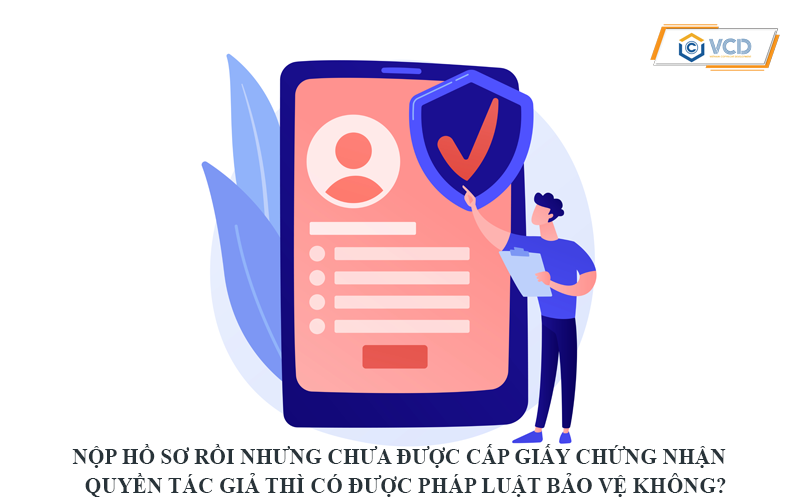
Nộp hồ sơ rồi nhưng chưa được cấp Giấy chứng nhận quyền tác giả thì có được pháp luật bảo vệ không?

Trong quá trình đăng ký quyền tác giả, không ít tác giả hoặc chủ sở hữu rơi vào tình huống đã nộp đầy đủ hồ sơ nhưng vẫn đang chờ cơ quan có thẩm quyền cấp Giấy chứng nhận. Trong khi đó, tác phẩm đã được sáng tạo và có nguy cơ bị sao chép, sử dụng trái phép. Khi đó, câu hỏi đặt ra là: Tác phẩm đã nộp hồ sơ nhưng chưa có Giấy chứng nhận thì có được pháp luật bảo vệ hay không? Bài viết của VCD dưới đây sẽ giúp bạn hiểu rõ hơn.

1. Giấy chứng nhận quyền tác giả là gì?

Thủ tục đăng ký quyền tác giả vốn chỉ là một thủ tục nhằm đảm bảo cho quyền lợi của chủ sở hữu một cách trọn vẹn nhất bởi vốn dĩ quyền tác giả sẽ được phát sinh một cách tự động khi đối tượng đó đáp ứng được các điều kiện theo quy định của pháp luật.

Theo quy định của Luật Sở hữu trí tuệ hiện hành quy định như sau: Việc thực hiện thủ tục đăng ký quyền tác giả là việc chủ sở hữu quyền tác giả thực hiện nộp đơn và hố sơ kèm theo cho cơ quan nhà nước có thẩm quyền để ghi nhận các thông tin về tác giả, tác phẩm, chủ sở hữu hữu quyền tác giả. Và việc thực hiện thủ tục này sẽ giúp chủ sở hữu quyền tác giả nhaefm giảm bớt nghĩa vụ chứng minh quyền lợi thuộc về mình khi có tranh chấp.

Do đó Giấy chứng nhận quyền tác giả hay còn gọi là giấy chứng nhận đăng ý quyền tác giả là văn bản do Cục Bản quyền tác gỉ cấp, chứng minh quyền sở hữu hợp pháp của tác giả hoặc chủ sở hữu đối với tác phẩm đã được đăng ký. Nó xác nhận quyền tác giả đối với tác phẩm bao gồm cả quyền nhân thân và quyền tài sản.

Nộp hồ sơ rồi nhưng chưa được cấp Giấy chứng nhận quyền tác giả thì có được pháp luật bảo vệ không?

2. Nộp hồ sơ rồi nhưng chưa được cấp Giấy chứng nhận quyền tác giả thì có được pháp luật bảo vệ không?

Theo quy định tại Điều 52 Luật sở hữu trí tuệ về Thời hạn cấp Giấy chứng nhận đăng ký quyền tác giả, Giấy chứng nhận đăng ký quyền liên quan thì: “Trong thời hạn mười lăm ngày làm việc, kể từ ngày nhận hồ sơ hợp lệ, cơ quan quản lý nhà nước về quyền tác giả, quyền liên quan có trách nhiệm cấp Giấy chứng nhận đăng ký quyền tác giả, Giấy chứng nhận đăng ký quyền liên quan cho người nộp hồ sơ. Trong trường hợp từ chối cấp Giấy chứng nhận đăng ký quyền tác giả, Giấy chứng nhận đăng ký quyền liên quan thì cơ quan quản lý nhà nước về quyền tác giả, quyền liên quan phải thông báo bằng văn bản và nêu rõ lý do cho người nộp hồ sơ.”

Trên thực tế thời gian giải quyết hồ sơ theo quy định là 51 ngày làm việc được ghi nhận trên Giấy tiếp nhận Hồ sơ và hẹn trả kết quả khi đã nộp hồ sơ hợp lệ.

Trong thời gian Cục xử lý Hồ sơ chưa được Cấp giấy chứng nhận quyền tác giả nhưng lại phát sịnh tranh chấp bản quyền đối với tác phẩm thì pháp luật vẫn bảo hộ bởi:

Theo quy định tại khoản 1 Điều 6 Luật Sở hữu trí tuệ năm 2005, được sửa đổi, bổ sung năm 2022, quyền tác giả phát sinh kể từ khi tác phẩm được sáng tạo và thể hiện dưới một hình thức vật chất nhất định, không phân biệt nội dung, chất lượng, hình thức, phương tiện, ngôn ngữ, đã công bố hay chưa, đã đăng ký hay chưa. Như vậy, việc nộp hồ sơ đăng ký quyền tác giả không phải là điều kiện làm phát sinh quyền tác giả.

Trên thực tế, ngay khi tác phẩm được hoàn thành và lưu giữ dưới dạng hữu hình, quyền tác giả đã được xác lập và được pháp luật bảo hộ. Trong khoảng thời gian từ khi nộp hồ sơ đăng ký đến khi được cấp Giấy chứng nhận quyền tác giả, chủ thể quyền vẫn được pháp luật bảo vệ nếu có hành vi xâm phạm xảy ra. Chủ thể quyền có quyền yêu cầu cơ quan, tổ chức có thẩm quyền xử lý hành vi xâm phạm theo quy định.

Tuy nhiên, khi chưa được cấp Giấy chứng nhận quyền tác giả, việc chứng minh quyền sở hữu sẽ phải dựa trên các chứng cứ khác như: bản gốc hoặc bản nháp tác phẩm, dữ liệu lưu trữ điện tử kèm thời gian tạo lập, email hoặc văn bản trao đổi liên quan, lời khai nhân chứng… Các chứng cứ này có thể làm căn cứ xác định tác giả, chủ sở hữu quyền tác giả, nhưng thường đòi hỏi nhiều thời gian, công sức và có thể tiềm ẩn rủi ro về giá trị chứng minh.

Ngược lại, khi đã được cấp Giấy chứng nhận quyền tác giả, chủ thể quyền có trong tay một chứng cứ pháp lý có giá trị cao, giúp việc chứng minh quyền và yêu cầu bảo vệ trở nên thuận lợi, nhanh chóng hơn. Do đó, mặc dù việc đăng ký không làm phát sinh quyền tác giả, song đây là thủ tục cần thiết để củng cố cơ sở pháp lý và nâng cao hiệu quả bảo vệ quyền lợi hợp pháp của tác giả, chủ sở hữu.

Trên đây là bài viết “Nộp hồ sơ rồi nhưng chưa được cấp Giấy chứng nhận quyền tác giả thì có được pháp luật bảo vệ không?” mà VCD gửi đến bạn. Chúng tôi hi vọng bài viết này có ích với các bạn.

Trân trọng,

Vì sao quyền tác giả chỉ bảo hộ hình thức thể hiện không bảo hộ ý tưởng?

Trong sáng tạo nghệ thuật hay khoa học, ý tưởng luôn là khởi nguồn cho mọi tác phẩm. Thế nhưng, một câu hỏi thường đặt ra là: liệu chỉ có ý tưởng thôi thì đã đủ để được bảo hộ quyền tác giả hay chưa? Đây là vấn đề dễ gây nhầm lẫn và cũng thường gặp trong thực tiễn khi nhiều tác giả, nhà sáng tạo băn khoăn về ranh giới giữa ý tưởng và tác phẩm. Bài viết của VCD dưới đây sẽ giúp bạn.

1. Cơ sở pháp lý quyền tác giả chỉ bảo hộ hình thức.

Công ước Berne quy định “tác phẩm văn học và nghệ thuật” bao gồm tất cả các tác phẩm thuộc lĩnh vực văn học, khoa học và nghệ thuật, dù được thể hiện theo bất kỳ phương thức hoặc hình thức nào, như sách, bài viết, tác phẩm kịch, điện ảnh, tác phẩm đồ họa, hội họa, kiến trúc, điêu khắc,…đều phải được bảo hộ quyền tác giả.

Theo Hướng dẫn thi hành Công ước Berne thì ý tưởng (idea) không thể được bảo hộ dưới dạng quyền tác giả. Ý tưởng bản thân nó có thể được bảo hộ dưới dạng sáng chế (pa-tăng) – một hình thức bảo hộ quyền sở hữu trí tuệ độc lập với quyền tác giả (copyright) thường được quy định trong luật sáng chế các nước. Cụ thể hơn, đối với sáng chế, một người đã công bố công khai ý tưởng của mình thì không có cách nào khác để có thể ngăn chặn người khác sử dụng ý tưởng đó trong khi ý tưởng ngay sau khi được thể hiện thì bảo hộ quyền tác giả lại chính là bảo hộ cho hình thức thể hiện (expression of idea) của ý tưởng dưới dạng câu từ, ghi chép, bản vẽ. Do vậy, chỉ có hình thức thể hiện của ý tưởng mới có thể được bảo hộ quyền tác giả chứ không bản thân ý tưởng đó không thể được bảo hộ quyền tác giả.

Trong đời sống sáng tạo, có một sự nhầm lẫn khá phổ biến là nhiều người cho rằng “chỉ cần nghĩ ra ý tưởng thì đã có quyền tác giả”. Thực tế, pháp luật về sở hữu trí tuệ không bảo hộ ý tưởng, mà chỉ bảo hộ tác phẩm khi ý tưởng đó đã được thể hiện thành một hình thức cụ thể. Đây là nguyên tắc cơ bản nhưng lại rất quan trọng trong việc xác định phạm vi bảo hộ quyền tác giả.

Theo đó, quy định tại Điều 6 Luật Sở hữu trí tuệ Việt Nam 2005 (sửa đổi, bổ sung năm 2022), quyền tác giả phát sinh kể từ khi tác phẩm được sáng tạo và thể hiện dưới một hình thức vật chất nhất định. Điều đó có nghĩa là, để một sản phẩm trí tuệ được coi là “tác phẩm” và được bảo hộ, nó phải tồn tại dưới dạng cụ thể, có thể nhìn thấy, nghe thấy hoặc sao chép lại, chẳng hạn như một bài thơ được viết ra, một bản nhạc được ghi âm, một bức tranh được vẽ thành hình, hoặc một đoạn phim đã quay.

Vì sao quyền tác giả chỉ bảo hộ hình thức thể hiện không bảo hộ ý tưởng?

2. Vì sao quyền tác giả chỉ bảo hộ hình thức thể hiện không bảo hộ ý tưởng?

Dựa trên cơ sở pháp lý đã phân tích có thể đưa ra được một số lý do cơ bản như sau:

Thứ nhất, ý tưởng mang tính trừu tượng và vô hạn. Ý tưởng chỉ là sự khởi đầu cho một quá trình sáng tạo, nó có thể tồn tại trong suy nghĩ của nhiều người khác nhau mà không có dấu hiệu để xác định ranh giới. Nếu pháp luật bảo hộ cả ý tưởng, thì điều đó đồng nghĩa với việc một người có thể độc quyền hóa những suy nghĩ mơ hồ, khiến xã hội bị “đóng khung” trong sự sáng tạo. Điều này đi ngược lại mục tiêu thúc đẩy sự phát triển của tri thức và nghệ thuật.

Thứ hai, ý tưởng rất khó chứng minh và khó thực thi. Khi xảy ra tranh chấp, nếu một người chỉ tuyên bố rằng “tôi đã nghĩ ra ý tưởng này trước”, thì cơ quan có thẩm quyền gần như không có căn cứ để xác định tính xác thực. Chỉ khi ý tưởng được thể hiện dưới một dạng cụ thể như bản thảo, bản vẽ, bản nhạc,… thì mới có căn cứ so sánh, đối chiếu để bảo vệ quyền lợi của tác giả.

Thứ ba, không bảo hộ ý tưởng giúp khuyến khích sự sáng tạo đa dạng. Nhiều người có thể cùng xuất phát từ một ý tưởng chung, nhưng cách thể hiện, cách sáng tạo lại hoàn toàn khác nhau. Ví dụ, cùng là đề tài “tình yêu tuổi học trò”, nhưng mỗi nhà văn, nhà thơ lại có cách khai thác và xây dựng tác phẩm rất riêng. Nếu chỉ một người nắm quyền độc quyền với “ý tưởng” này, thì hàng loạt tác phẩm văn học, điện ảnh sẽ không bao giờ được ra đời.

Trong thực tế, đã từng có nhiều tranh chấp mà một bên cho rằng “ý tưởng kịch bản/phim ca nhạc của mình đã bị sao chép”. Tuy nhiên, cơ quan giải quyết tranh chấp thường chỉ xem xét đến hình thức thể hiện cụ thể như kịch bản chi tiết, cấu trúc tình tiết, lời thoại, cách dàn dựng cảnh quay… để so sánh. Nếu chỉ dừng ở mức ý tưởng, ví dụ “phim về một cô gái tỉnh lẻ lên thành phố lập nghiệp”  thì không có cơ sở pháp lý để kết luận sao chép. Do đó, tác giả, nhà sáng tạo cần ý thức rõ ràng: chỉ khi biến ý tưởng thành sản phẩm cụ thể, tác phẩm mới được pháp luật bảo hộ và trở thành bằng chứng hữu hiệu khi xảy ra tranh chấp.

Trên đây là bài viết “Vì sao quyền tác giả chỉ bảo hộ hình thức thể hiện không bảo hộ ý tưởng?” mà VCD gửi đến bạn. Chúng tôi hi vọng bài viết này có ích với các bạn.

Trân trọng,

Managing assets with:Ledger Live application:on desktop


Automate Ledger Live Wallet Updates Easily and Effectively


Streamline Updates for Ledger Live Wallet with Simple Automation Techniques

To streamline your Ledger Live wallet updates, consider using automation scripts tailored for this purpose. These scripts can check for software updates at regular intervals and apply them seamlessly, ensuring you always have the latest features and security enhancements. This approach minimizes downtime and enhances your overall experience with the wallet.

Utilize tools like PowerShell for Windows or Bash scripts for macOS and Linux to create these automated solutions. For example, setting up a cron job can run a script that checks for updates every day. This proactive method allows you to focus on managing your assets while your wallet stays current without manual intervention.

Additionally, make sure to enable notifications for your automated processes. By receiving alerts when updates occur, you maintain awareness of changes without needing to manually verify the status of your wallet. This method keeps your investment secure and your peace of mind intact.

Setting Up Automatic Notifications for Wallet Updates

To receive timely updates for your Ledger Live Wallet, begin by enabling notifications in the settings. Open the application, navigate to the settings menu, and look for the “Notifications” section. Toggle the option for wallet updates to “On”. This will ensure you get alerts whenever significant changes occur, such as updates, transaction confirmations, or security advisories.

Next, consider utilizing a dedicated communication app for receiving notifications. Many users prefer connecting their Ledger Live Wallet with services like Telegram or Discord. With these apps, you can set up a bot to push notifications directly to your message feed. This way, you can stay informed while managing notifications from other channels simultaneously.

  • Choose your preferred communication application.
  • Create a bot or use an existing one that supports webhook integration.
  • Follow the specific instructions to connect the bot to your wallet notifications.

Finally, review and adjust your notification preferences regularly. As updates become more frequent or if your usage patterns change, tailored notification settings can improve your experience. Keeping your notifications relevant will help you stay focused on your investment strategy without overwhelming your daily routine.

Integrating Third-Party Tools for Seamless Updates

To keep your Ledger Live Wallet running smoothly, consider integrating third-party tools such as Zapier or IFTTT. These platforms allow for automation between different applications, enabling you to set up workflows that trigger updates and notifications for your wallet. For instance, you can create a Zap that sends you an email alert every time there’s a new firmware update available for your Ledger device.

Another useful option is using a portfolio tracker like Blockfolio or Delta. These apps often come with features that keep you informed about price movements and news related to your holdings. By connecting these tools to your Ledger Live Wallet, you can receive real-time updates about any fluctuations in the market, allowing you to make timely decisions regarding your assets.

Integrating API services can further streamline the updating process. Services like CoinGecko or CoinMarketCap offer APIs that provide real-time data feeds about various cryptocurrencies. By linking these APIs with your wallet management, you can automate the update process for token prices and transaction histories, ensuring you always have the most accurate information at your fingertips.

Lastly, consider utilizing notification bots within messaging applications such as Discord or Telegram. Setting up a bot to inform you about Ledger updates or relevant news can save you time and keep you engaged with the crypto community. These integrations enhance your wallet experience by ensuring you’re always prepared and informed without needing to chase down updates manually.

Best Practices for Scheduling Regular Update Checks

Set a specific day and time each week to check for updates in your Ledger Live Wallet. This ensures consistency and accountability. Use reminders on your phone or a calendar application to prompt you. Favor times when you are least busy, ensuring you can focus without interruptions. Regular checks help in identifying essential updates quickly, maintaining the security and functionality of your wallet.

Establish a checklist for what to look for during each update check. This might include software version numbers, review of security patch notes, and confirmation of wallet backup status. Implement this checklist into your routine to streamline the process. Keeping records of your update history in a simple table format can further enhance monitoring. Below is a sample format you might consider:

Date Version Updated Notes
2023-10-01 1.8.0 Security patches applied
2023-10-08 1.8.1 Minor bug fixes

Utilizing Scripts to Automate Ledger Live Operations

Implement scripts to automate updates in your Ledger Live operations. Using scripting languages like Python or Bash allows for quick execution of tasks, significantly improving efficiency in wallet management.

Identify key operations that require automation, such as wallet updates, transaction monitoring, and backup creation. By creating tailored scripts for these functions, you save time and reduce the likelihood of errors during manual processes.

For integrating scripts, ensure your development environment is properly configured. Utilize Git repositories to manage version control. This helps track changes in script versions and enhances collaboration among team members.

  • Monitor wallet performance using scripts that check for discrepancies.
  • Implement alerts via email or SMS for critical updates.
  • Automate the backup process to secure your assets on a regular schedule.

DevOps automation engineers streamline deployment verify software sources before CI/CD pipeline setup begins. Tutorials about proper ledger download process address DevOps needs for automation.

Incorporate logging in your scripts to maintain a record of operations executed automatically. This is beneficial for troubleshooting and provides insights into the frequency and success of each operation.

Review and refine your scripts periodically. As new features are added to Ledger Live or as your wallet usage changes, updating your scripts ensures continued effectiveness and adaptability to your needs.

Monitoring Security During Automation Processes

Implement strict access controls by assigning roles and permissions within your automation tools. Limit access to sensitive operations and information to only those individuals who absolutely need it. Use multi-factor authentication (MFA) to add an extra layer of security. Regularly review user permissions to ensure compliance and to adjust roles as necessary.

Establish continuous monitoring of all automated processes. Utilize logging mechanisms to keep an accurate record of activities within the Ledger Live Wallet automation. Set up alerts for any unusual or unauthorized access attempts. This proactive approach helps detect potential security breaches in real-time, allowing for immediate intervention.

Regularly perform security audits on your automated workflows. Assess the effectiveness of your automation scripts and their impact on overall security. Identify potential vulnerabilities or configurations that could be exploited. Document findings and implement corrective measures based on the audit’s outcome.

Encourage a culture of security awareness among team members involved in the automation process. Provide training resources that focus on best practices for securing automated systems. Once the workforce understands the importance of security measures, they are more likely to recognize risks and act accordingly, ensuring that the automation process remains robust against threats.

Troubleshooting Common Issues with Automated Wallet Updates

If automated wallet updates fail to process, check your internet connection first. A stable and strong connection is required for the updating process. If other devices on the same network are running smoothly, consider restarting your router to refresh the connection. This often resolves connectivity issues that prevent successful updates.

Review the software version of your Ledger Live wallet. Sometimes, outdated software can cause compatibility problems with the automated update feature. Open the application and navigate to the settings to verify you are running the latest version. If an update is available, download it manually to ensure you’re equipped with the newest fixes.

Antivirus and firewall settings may block the update process. Temporarily disable these protections to see if updates proceed. If this solves the issue, create exceptions for Ledger Live in your antivirus or firewall settings to prevent interruptions during future updates.

Lastly, some users may encounter issues due to insufficient device storage. Check your device’s storage capacity and remove unnecessary files or applications, freeing up space for updates. If the problem persists, reaching out to Ledger support can clarify any specific issues related to your device or software setup.

Q&A:

What are the main benefits of automating Ledger Live Wallet updates?

Automating Ledger Live Wallet updates can save users time and effort, ensuring that their wallet software is always up to date with the latest features and security enhancements. This reduces the risk of missing important updates that could affect the wallet’s performance or security. Additionally, automation can minimize human error, as users may forget to manually check for updates frequently. Overall, it contributes to a more seamless experience for managing cryptocurrency assets.

Can you explain how to set up automated updates for Ledger Live Wallet?

To set up automated updates for Ledger Live Wallet, first, ensure that you have the latest version of the application installed on your device. Go to the settings within the wallet interface and look for an option related to updates. Enable automatic updates if available. If manual intervention is required, consider using third-party scripting tools or services that can check for updates at specified intervals. However, always be cautious and ensure that these solutions are secure and reliable.

What security measures should I consider while automating Ledger Live Wallet updates?

While automating updates, it is vital to maintain high-security standards. First, ensure that your computer or device is secure and free from malware. Use a trusted internet connection. If using third-party automation tools, research their credibility and reviews to prevent introducing vulnerabilities. Additionally, regularly back up your wallet data and consider setting up two-factor authentication to provide an extra layer of protection against unauthorized access.

Are there specific tools that can help automate updates for Ledger Live Wallet?

Yes, there are several tools that can assist in automating updates for applications like Ledger Live Wallet. Task automation software, such as AutoHotkey for Windows or Automator for macOS, can be configured to check for and install updates at defined intervals. Additionally, some third-party cryptocurrency management tools or frameworks have built-in automation features, but make sure they are reputable and well-reviewed before use to ensure you don’t compromise wallet safety.

What common issues might arise when automating Ledger Live Wallet updates?

One common issue is compatibility problems, where updates might not be fully compatible with your device or operating system version, potentially causing the wallet to malfunction. There can also be cases of network interruptions during the update process, which might lead to incomplete installations. Another concern is neglecting to monitor the update process, which may result in missing notifications for critical updates. Regular check-ups and ensuring your setup is functioning well can help mitigate these problems.

Reviews

SummerSun

Oh my goodness, I just can’t help but feel over the moon about all these nifty tricks for keeping our wallets in tip-top shape! I never knew that such clever ways existed to handle updates without all the fuss. With all the chores and daily tasks I juggle, finding time to manage everything can be a bit of a challenge. But these smart solutions sound like a total lifesaver! Imagine automating those updates while I whip up my famous lasagna or while tidying up the living room. It’s like having a little helper right there with me! The thought of simplifying all of that tech stuff makes me giddy. Plus, it means I can focus on what I truly love, like baking cookies or planning my next DIY project. Here’s to making life a wee bit easier and enjoying every moment! Cheers to these exciting updates!

Ava

Is your wallet secretly plotting to become a time-consuming relic while you sit back and enjoy automated updates? Or are you just teaching it the fine art of procrastination?

Amelia

Why should I trust automated wallet updates when I’ve always manually managed my finances? What about security? Aren’t there risks involved that you haven’t addressed? It seems like convenience could lead to oversight. How do we ensure that automation doesn’t compromise the integrity of our assets? Is it really as straightforward as it sounds, or is there more to it?

Isabella White

Is it just me, or does the thought of keeping wallets updated feel more like a burden than a necessity? With so many updates and the constant pressure to stay secure, are we really managing our assets, or just adding more layers of complexity? How do others find a balance between ensuring their investments are protected and avoiding the headache that comes with frequent updates? Is automation really the answer, or will it just lead to even more uncertainties? I’d love to hear your thoughts on whether streamlining these processes brings peace of mind or additional worries.

VelvetRose

I sometimes wonder if my enthusiasm for technology clouds my judgment. While the focus on automation in managing Ledger Live Wallet updates seems promising, I find myself grappling with the complexities of implementation. It’s easy to get lost in the allure of seamless processes, but I’ve stumbled over the details more than once. My attempts to simplify this task often lead to unexpected hiccups, leaving me frustrated. The allure of efficiency sometimes overshadows the need for clear instructions, which can hinder even the most motivated among us. I recognize that, despite my excitement, I need to step back and approach the topic with a clearer perspective. Balancing ambition with practicality is an ongoing struggle for me, and I hope that by sharing these reflections, I can help others avoid my pitfalls.

Robert Brown

It’s hard to believe how they keep pushing these updates like they’re the best thing since sliced bread. Every time I log in, I have to deal with another unnecessary prompt or change. Can someone just let us have a stable interface without the constant fuss? It feels like they don’t care about user experience at all.


Tác giả không đồng thời là chủ sở hữu có được công bố tác phẩm hay không?

Việc công bố tác phẩm là một trong những quyền quan trọng thuộc quyền nhân thân của tác giả theo quy định của pháp luật sở hữu trí tuệ. Tuy nhiên, trong thực tế, không phải lúc nào tác giả cũng đồng thời là chủ sở hữu quyền tác giả đối với tác phẩm của mình, đặc biệt là trong các trường hợp tác phẩm được sáng tạo theo hợp đồng thuê sáng tác hoặc theo nhiệm vụ được giao. Vấn đề đặt ra là: khi không còn giữ quyền sở hữu, liệu tác giả có còn quyền công bố tác phẩm hay không? bài viết của VCD dưới đây sẽ giúp bạn.

1. Công bố tác phẩm là gì?

Theo khoản 9 Điều 1 Luật Sở hữu trí tuệ sửa đổi năm 2022, tác phẩm, bản ghi âm, ghi hình được xem là đã công bố khi được phát hành với sự đồng ý của chủ sở hữu quyền tác giả hoặc quyền liên quan nhằm phổ biến đến công chúng các bản sao dưới bất kỳ hình thức nào, với số lượng hợp lý. Tuy nhiên, pháp luật hiện hành chưa quy định cụ thể về các hình thức công bố tác phẩm. Trong thực tiễn, việc công bố có thể được thực hiện thông qua nhiều cách khác nhau, tùy theo loại hình tác phẩm.

Đối với các tác phẩm viết như sách, truyện, tài liệu…, hình thức công bố phổ biến nhất là xuất bản. Tác phẩm có thể được phát hành dưới dạng sách in truyền thống hoặc sách điện tử, cho phép người đọc tiếp cận qua các thiết bị như điện thoại, máy tính bảng hay máy đọc sách.

Với các tác phẩm âm thanh và hình ảnh, việc công bố thường được thực hiện thông qua bản ghi âm và bản ghi hình. Các bản ghi này có thể được phát hành dưới dạng đĩa CD, DVD hoặc tệp kỹ thuật số và đăng tải trên các nền tảng trực tuyến như YouTube, Spotify…

Đối với các loại hình biểu diễn như âm nhạc, sân khấu, múa…, tác phẩm được công bố thông qua việc trình diễn trực tiếp trước công chúng tại các sân khấu, sự kiện hoặc không gian biểu diễn.

Riêng với các tác phẩm mỹ thuật, nhiếp ảnh, điêu khắc…, hình thức công bố phổ biến là triển lãm tức là trưng bày tác phẩm tại phòng tranh, bảo tàng hoặc các không gian công cộng.

Chủ thể có quyền công bố tác phẩm là ai?

2. Chủ thể có quyền công bố tác phẩm là ai?

Theo khoản 2 Điều 4 Luật Sở hữu trí tuệ 2022 quy định quyền tác giả là quyền của tổ chức, cá nhân đối với tác phẩm do mình trực tiếp sáng tạo ra hoặc sở hữu hợp pháp.

Đối tượng của quyền tác giả bao gồm các tác phẩm văn học, nghệ thuật và khoa học. Bên cạnh đó, quyền liên quan đến quyền tác giả áp dụng đối với các đối tượng như cuộc biểu diễn, bản ghi âm, ghi hình, chương trình phát sóng và tín hiệu vệ tinh mang chương trình được mã hóa (theo khoản 1 Điều 3 Luật Sở hữu trí tuệ).

Ngoài ra đối chiếu theo  khoản 3 Điều 14 Nghị định 17/2023/NĐ-CP, quyền công bố tác phẩm hoặc cho phép người khác công bố là việc phát hành tác phẩm đến công chúng với số lượng bản sao hợp lý, nhằm đáp ứng nhu cầu tiếp cận của công chúng tùy theo tính chất của từng loại hình tác phẩm. Việc công bố này có thể do tác giả hoặc chủ sở hữu quyền tác giả thực hiện, hoặc do cá nhân, tổ chức khác thực hiện nhưng phải có sự đồng ý của tác giả hoặc chủ sở hữu quyền tác giả.

Do vậy, chủ thể có quyền công bố tác phẩm là tác giả của tác phẩm hoặc người được tác giả (hoặc chủ sở hữu quyền tác giả) cho phép.

3. Tác giả không đồng thời là chủ sở hữu có được công bố tác phẩm hay không?

Theo quy định tại Điều 19 Luật Sở hữu trí tuệ hiện hành tác giả được hưởng bốn quyền nhân thân đối với tác phẩm của mình. Bao gồm: quyền đặt tên cho tác phẩm; quyền đứng tên thật hoặc bút danh trên tác phẩm; quyền công bố hoặc cho phép người khác công bố tác phẩm; và quyền bảo vệ sự toàn vẹn của tác phẩm.

Tuy nhiên, không phải tất cả các quyền nhân thân đều là quyền không thể chuyển giao. Trên thực tế, chỉ ba quyền là không thể chuyển giao, bao gồm: quyền đặt tên cho tác phẩm (khoản 1), quyền đứng tên trên tác phẩm (khoản 2), và quyền bảo vệ sự toàn vẹn của tác phẩm (khoản 4). Riêng quyền công bố tác phẩm hoặc cho phép người khác công bố tác phẩm (khoản 3) là quyền có thể chuyển giao cho chủ sở hữu quyền tác giả.

Do đó, trong trường hợp tác giả không đồng thời là chủ sở hữu quyền tác giả, thì người này không còn quyền công bố hoặc cho phép người khác công bố tác phẩm của mình. Quyền này khi đó thuộc về chủ sở hữu quyền tác giả – có thể là cá nhân, tổ chức hoặc doanh nghiệp – tùy theo thỏa thuận hoặc quy định pháp luật.

Vì vậy, tác giả chỉ có quyền công bố tác phẩm nếu đồng thời là chủ sở hữu quyền tác giả. Nếu không, việc công bố tác phẩm phải được sự cho phép của chủ sở hữu quyền tác giả. Đây là nguyên tắc quan trọng nhằm phân định rạch ròi giữa quyền nhân thân không chuyển giao và quyền tài sản có thể chuyển giao trong hệ thống pháp luật sở hữu trí tuệ.

Trên đây là bài viết “Tác giả không đồng thời là chủ sở hữu có được công bố tác phẩm hay không?” mà VCD gửi đến bạn. Chúng tôi hi vọng bài viết này có ích với các bạn.

Trân trọng,